A UGC content agency for D2C brands exists to solve one specific problem: studio-produced ads convert worse on marketplaces and social feeds than content that looks like it came from a real person, because shoppers have learned to distrust the polish of a brand-made ad. The highest-converting image and video blocks on Amazon and Flipkart listings today are unboxings, demos, and testimonials filmed the way a friend would show you a product — not the way a brand deck would.
- →UGC outperforms studio content specifically because it looks unscripted — believability, not production value, is what drives conversion on a listing.
- →Three formats consistently win: product demo reels under 30 seconds, unboxing videos that capture first impressions, and before/after testimonial videos.
- →Sourcing UGC one creator at a time doesn't scale — brands need an ongoing pipeline, not a single shoot.
- →Generic stock UGC content for Amazon listings is easy for shoppers to spot as fake and performs worse than real, brand-specific creator content.
- →The same UGC asset typically gets reused across the listing, paid social, and organic influencer posts — one shoot, multiple channels.
Why UGC outperforms traditional brand video
Scroll through any high-converting Amazon or Flipkart listing and the pattern is consistent: the best-performing image and video blocks rarely look like studio ads. A product demo video agency built around real creators — not actors reading a script — produces content that performs better in exactly the placements that matter most: A+ content blocks, video carousels, and the social ads repurposed from the same footage.
This isn't a stylistic preference. Shoppers have years of exposure to polished brand advertising and have developed an instinct for spotting it — and discounting it. UGC video content for Amazon listings works precisely because it doesn't trigger that skepticism.
The three formats that consistently convert
Product demo reels show the item solving a real problem in under 30 seconds — the format works because it answers the shopper's actual question (does this work the way I think it does?) faster than a paragraph of bullet points ever could.
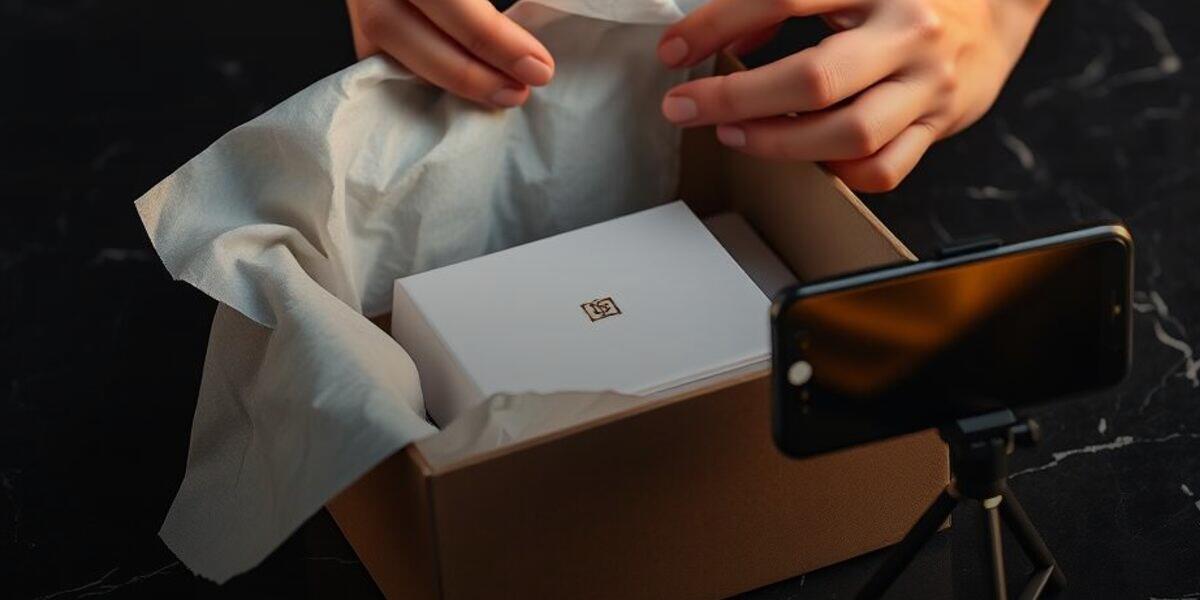
Unboxing videos capture the first-impression moment shoppers want to see before they buy — packaging, first look, initial reaction. This format does particularly well with beauty, fashion, and gifting categories where the unwrapping experience itself is part of the purchase appeal.
Before/after testimonial videos do trust-building work a spec sheet can't. A real person describing a real result, in their own words, is the closest thing a listing has to a recommendation from a friend.
"A real person describing a real result, in their own words, is the closest thing a listing has to a recommendation from a friend."
— Brand Integer Creator Content Team
Solving the scale problem
Booking individual creators one at a time doesn't scale past a handful of SKUs, and it's the most common reason brands try UGC once and then quietly stop. Working with an unboxing video creators agency that already maintains a vetted community solves this: instead of a one-off shoot that goes stale within a month, brands get a steady pipeline of fresh content tied to ongoing campaigns, new launches, and seasonal pushes.
Treat UGC as fuel, not a one-time asset
The brands winning on marketplaces right now don't treat a UGC shoot as a single deliverable — they treat it as an ongoing content engine. Every campaign should leave a brand with assets reusable across the listing, paid social, and influencer posts for months afterward, rather than content that's used once and discarded.
What's the difference between UGC and influencer content?
UGC focuses on authentic, demo-style content (often from smaller or non-celebrity creators) optimized for listing and ad use. Influencer content is typically tied to a creator's own audience and posted on their channel. Many brands use both — UGC for listing/ad assets, influencers for reach.
Can UGC content be used in paid ads, not just on the listing?
Yes — most brands repurpose the same UGC clips across Amazon/Flipkart A+ content, Meta and Google ads, and organic social, since usage rights are typically secured as part of the content agreement.
How often should a D2C brand refresh its UGC content?
Most active marketplace sellers refresh UGC on a rolling basis — tied to new launches, seasonal campaigns, or simply every few months — rather than running the same clips indefinitely, since freshness affects both performance and platform algorithms.
Does UGC work for every product category?
It works especially well for categories where demonstration or visual proof matters — beauty, personal care, food, home, and fashion — but the core principle (real usage beats staged usage) applies broadly across D2C categories.