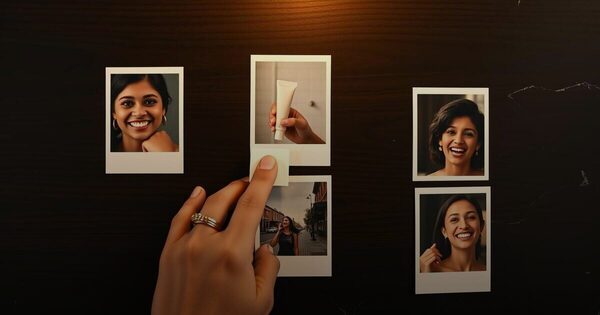
Shoppable video is about shrinking the distance between watching and buying. For most Indian D2C brands the gap is not a shortage of video but a weak path after it: a homepage link, the wrong variant, a slow page. Link each clip to the exact product shown, put proven clips on product pages and marketplace listings where the buy button already is, and judge every video on orders rather than views.
Why a View Rarely Becomes an Order
Most Indian D2C brands are no longer short of video. A creator demo, an unboxing, a Reel that did well: the content exists, and some of it gets watched a lot. What brands are short of is the bridge between the moment someone watches and the moment they pay. The common pattern is a strong video followed by a weak path: a link in bio, a homepage, a search bar, a collection page with forty products, and a shopper who has to remember which shade the creator was wearing.
Every one of those steps costs intent. A viewer who was persuaded by a thirty second demo is persuaded about one specific product, in one specific variant, right now. Ten minutes later, after a slow page load and a size chart that does not match what they saw, they are a browser again, and browsers mostly leave. The video did its job. The path did not.
That is the whole idea behind shoppable video: shrink the distance between watching and buying until it is close to nothing. It is less a format than a discipline about where video sits and where it points.
Where Shoppable Video Actually Works in India
It helps to separate two kinds of placement, because they do different jobs. Video on Instagram and YouTube is discovery: it reaches people who were not looking for you, and then it has to send them somewhere else to buy. Product tags, link stickers and affiliate links shorten that trip, but the shopper still leaves the app, lands on a page, and has to find the thing again. The quality of that landing decides most of the outcome, which is why the gap described in why your D2C website converts worse than your Amazon listing hits video traffic especially hard.
Video on a marketplace listing or your own product page is the opposite. The viewer is already comparing, the buy button is on the same screen, and the video's job is to remove the one doubt that is stopping the order: how the fabric falls, what the texture looks like on skin, whether the bottle is as big as the photos suggest. This placement gets far less glamour inside most brands, yet it is often where a creator clip earns the most, because it meets intent instead of trying to create it.

| Video on Instagram and YouTube | Video on Amazon, Flipkart and Nykaa listings |
|---|---|
| Finds shoppers who were not searching for you | Reaches shoppers already comparing products |
| Sends them off the app to your site or a listing | Plays on the page that holds the buy button |
| Every extra tap between video and cart leaks intent | Answers the doubt that blocks the order: fit, texture, size |
| Works only when linked to the exact product shown | Keeps working as long as the listing stays live |
Most brands need both, but they budget as if only the left column exists. A practical first move is to take the clips that already performed on social and put them where the buyer decides. Our guide to building an Amazon image carousel that argues for the product covers what a listing has to prove, and a short demo video is often the most convincing way to prove it. The broader question of which cut goes where is covered in repurposing one UGC shoot across every placement.
Live Commerce: When It Sells and When It Is Theatre
Live selling gets a lot of attention, partly because it has worked so visibly elsewhere in Asia. In India it works for a narrower set of brands than the hype suggests. It suits categories where the buyer has questions that are easier to answer live than on a page: shades and undertones in beauty, drape and fit in ethnic wear, how a kitchen appliance actually behaves. It also suits brands that already have an engaged audience to bring into the session, because a live stream with nobody watching is just an expensive rehearsal.
Where it turns into theatre is when the session is treated as an event rather than a sales channel. A celebrity host, a big production setup, and a vague offer produce a good recording and very few orders. The sessions that sell tend to be plainer: a host who knows the product, a short list of SKUs, a clear offer that ends when the stream ends, and a link that drops the viewer straight onto the product being discussed.
"The video persuades someone about one product, in one variant, right now. Every tap you add between that moment and the cart spends the persuasion you paid for."
- Brand Integer UGC & Content Team
If you want to test live commerce, run it as a small experiment with one category and a creator who already sells for you, then compare orders against the same creator's regular posts. If the live session does not clearly beat the cheaper format, there is no reason to scale it.
Building the Path From Video to Checkout
The fix is rarely new technology. It is a handful of decisions made before the video is shot, and most of them are about narrowing. A clip that shows five products sells none of them well. A link to the homepage asks the viewer to do work the brand should have done.

- One product per video Each clip sells a single SKU, named and shown clearly
- Link the exact variant Send viewers to the shade or size on screen, never the homepage
- Place it beside the buy button Reuse the same clip on your product page and marketplace listings
- Read orders per video Give each clip its own link or code and judge it on orders, not views
- Retire and reshoot Drop clips that get watched but not bought, and brief the next one
The step brands most often skip is the third one. A creator clip that ran for a week on Instagram can sit on the product page and on the marketplace listing for months, answering the same question for every new visitor. That only works if the usage rights allow it, so settle placement rights when you brief the creator rather than after the clip has done well.
Also check the landing itself on a mid-range Android phone over mobile data, because that is how a large share of your viewers will arrive. A product page that takes too long to load, opens on the wrong variant, or hides the price below a banner undoes the work of the video before the shopper has read a word.
Measuring Orders, Not Views
Views tell you a video was interesting. They do not tell you it sold anything, and the two are less related than most dashboards imply. Some of the most watched clips are entertaining and useless commercially, while a plain, slightly awkward demo can quietly drive orders for months.
Give every video its own trackable path: a dedicated link with UTM tags, a creator code, or an affiliate link per clip. Running creators on commission makes this measurement automatic, which is part of why a creator affiliate program pairs so well with shoppable video. Then judge each clip on orders and on revenue per view, not on reach, and feed what you learn into the next brief.
For marketplace video, where you cannot tag individual clips as cleanly, compare the listing's conversion in the weeks before and after the video went live, keeping price and ad spend as steady as you can. It is not a perfect test, but it is a far better guide than a view count.
Frequently Asked Questions
What is shoppable video in e-commerce?
Shoppable video is any video that lets the viewer move straight to buying the product shown, with as few steps as possible. In India that usually means product tags or links on Instagram and YouTube, video on Amazon, Flipkart or Nykaa listings, shoppable video on your own product pages, and live selling sessions. The format matters less than how directly the video connects to the exact product and variant.
Is live commerce worth it for a D2C brand in India?
It can be, for the right category and audience. Live sessions suit products where buyers have questions that are easier to answer live, such as shades in beauty or fit in ethnic wear, and brands that already have an engaged audience to bring in. Start with a small test using a creator who already sells for you and compare the orders against their regular posts before you invest in production.
Can I use creator videos on my Amazon or Flipkart listing?
Usually yes, as long as your agreement with the creator grants that usage and the content follows the platform's guidelines for listing video. Uploading video to a listing generally requires the brand to be registered with the platform. Settle placement rights in the brief, before the shoot, so a clip that performs well on social can also live on the listing.
How do I know if a shoppable video is working?
Give each video its own trackable path, such as a tagged link, a creator code or an affiliate link, and judge it on orders and revenue per view rather than reach. For marketplace listing video, compare the listing's conversion before and after the video went live while keeping price and ad spend steady. Retire clips that are watched but do not sell.