
Most fashion returns on Myntra are preventable well before the package ever ships. The biggest driver is a gap between what the shopper expected, fit, fabric, drape, colour, and what actually arrived, and that gap is created almost entirely at the listing stage, not in the courier van. Brands that fix their size charts, photography, and post-purchase communication typically see a meaningfully lower return rate within a couple of sales cycles, without touching price or design at all.
- →Fashion carries a structurally higher return rate than most categories, but a large share of it is preventable, not an unavoidable cost of selling clothing online.
- →Size and fit issues, not damage or dislike of the product, are the leading cause of fashion returns on Myntra, and they start with an incomplete or vague size chart.
- →Photography that only shows a garment flat or on one body type hides exactly the information, drape, stretch, true colour, that would have talked a wrong-fit customer out of ordering.
- →Myntra's return-reason data at the SKU level is a diagnostic tool most brands never actually read, even though it points straight at which listing to fix first.
- →Reducing returns is not the same as reducing refunds, routing the right cases to an exchange instead protects revenue while still lowering the seller's return-rate metric.
Why Fashion Returns Are Structurally Different on Myntra
Every category on a marketplace has its own baseline return rate, and fashion sits well above electronics, home goods, or beauty for one simple reason: a shopper cannot try the garment on before buying it. Fit uncertainty is built into the purchase itself, which is why even well-run fashion brands accept that some level of return is unavoidable. The mistake is treating the entire return rate as unavoidable, when in most listings a large share of it comes from problems the brand actually created and can fix.
It also helps to separate two things that get lumped together under one number. Return to origin, where an order never actually reaches the customer because of a failed delivery attempt or a cash-on-delivery refusal at the door, is a logistics and payment problem, not a product problem. A genuine customer return, where the garment was delivered, tried on, and sent back, is the one that tells a brand something about the listing, the fit, or the quality. Myntra tracks both, but only the second one is actionable through the fixes in this playbook, and conflating the two makes it much harder to know what is actually going wrong.
Return rate also feeds into how a seller is treated on the platform more broadly. A listing that returns at a high rate signals lower buyer satisfaction, which quietly affects how much visibility and promotion that listing gets relative to a cleaner-performing competitor in the same category. This is the part most fashion brands miss, they think of returns purely as a cost line, when it is also a ranking signal.
The Listing-Stage Fixes That Prevent Most Fit Returns
A size chart that only lists S, M, and L against a generic body measurement range solves almost nothing, because two brands' "M" can differ by two inches at the chest and the shopper has no way to know that in advance. The fix is a size chart specific to that exact style, listing both body measurements and garment measurements separately, since a boxy oversized fit and a tailored slim fit in the same nominal size will sit completely differently on the same body. Brands that publish garment measurements, not just body-size ranges, consistently see fewer "too small" and "too large" returns on the same style.
Photography is the second lever, and it is the one brands underinvest in most. A garment shot flat on a table or on a single model tells a shopper almost nothing about how it will move or drape on a different frame. Multiple angles, a close-up on the fabric texture, and ideally a short clip showing the garment in motion give the shopper enough information to self-select out of a size or style that will not work for them, rather than finding out only after it arrives. Fabric composition and stretch percentage belong in the description in plain language too, "95% cotton, 5% elastane, slight stretch" tells a shopper more in one line than most current listing copy manages in a full paragraph.
Packaging, Expectation-Setting, and the Cash-on-Delivery Reality
Cash on delivery still drives a meaningful share of fashion orders in India, and it changes buying behaviour in a way brands need to plan around rather than fight. A shopper who has not paid upfront has a much lower bar for ordering on impulse and a much lower bar for rejecting the garment at the door or returning it after a first look, since there is no sunk cost pulling them toward keeping it. The listing-stage fixes above matter even more for COD-heavy categories, because they are doing the job that a pre-payment commitment would otherwise do in reducing impulsive, uncertain orders.
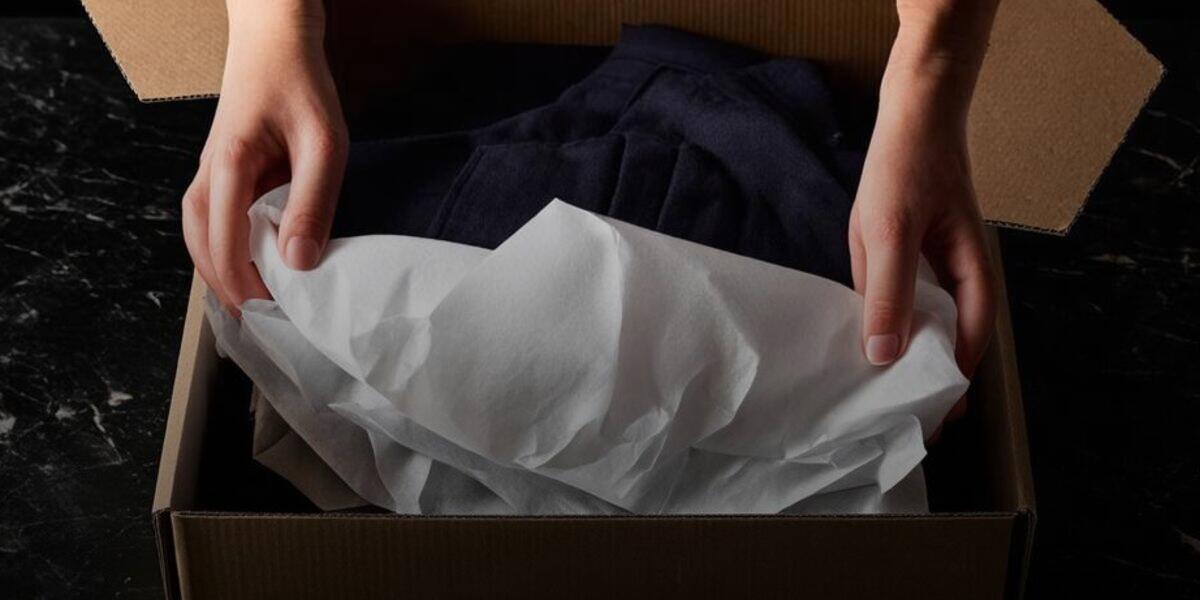
Packaging plays a quieter role in returns than most brands assume. A garment that arrives creased in a way that changes how it hangs, or folded so tightly that the fabric looks stiffer or different in colour under indoor light than it did in the listing photos, creates a moment of doubt right when the customer is deciding whether to keep it. Careful folding, enough tissue to prevent hard creases, and consistent batch quality so that colour and fabric feel do not drift between one order and the next all reduce the small "this doesn't look like what I ordered" reactions that tip a borderline customer into initiating a return.
"A return that could have been an exchange is a customer a brand is quietly training to shop somewhere else."
- Brand Integer Marketplace Growth Team
Reading Myntra's Return-Reason Data to Fix Root Causes, Not Symptoms
Most fashion sellers watch one number, aggregate return rate, and react to it going up or down without ever breaking it apart by SKU or by reason code. That is the equivalent of watching a fever without checking what is causing it. Myntra's seller data separates returns by reason, too small, too large, not as described, quality issue, and each of those points to a completely different fix. A style with a wave of "too small" returns needs its size chart corrected, not better photography, while a style with "not as described" returns usually has a colour or fabric mismatch between the listing and the actual product.
The most efficient way to run this is not a full catalog overhaul, it is identifying the three to five highest-return SKUs each cycle, fixing the specific listing element the reason codes point to, and watching whether that SKU's return rate moves before touching the next batch. This turns return rate reduction into a repeatable, ongoing process rather than a one-time cleanup project, which matters because new styles are constantly entering the catalog and each one starts the diagnostic cycle over again.
What is a good return rate for a fashion brand on Myntra?
There is no universal benchmark since it varies heavily by category, a fitted bottomwear line will always run higher than basic tees, but the more useful comparison is a brand against its own SKU-level history, watching whether return rate is trending down after each listing fix rather than chasing an industry number.
Does Myntra penalize sellers for having a high return rate?
A high return rate affects a seller indirectly rather than through a single fixed penalty, it drags down the quality and reliability signals that influence search visibility and how much a listing gets promoted, so the practical effect is fewer impressions over time rather than one dramatic cutoff.
How much of a fashion brand's return rate is really about size versus quality or damage?
For most fashion sellers, size and fit account for the largest share of returns by a wide margin, with quality issues and shipping damage making up a much smaller slice, which is exactly why listing-stage fixes usually move the needle faster than tightening warehouse quality checks alone.
Should a brand push exchanges over refunds to lower its return rate?
Yes, wherever the underlying reason is a size or fit mismatch rather than dislike of the product, offering an easy exchange at the same moment a return is initiated keeps the sale and the customer while still resolving the fit problem, refunds should stay the default only when an exchange genuinely will not solve what went wrong.